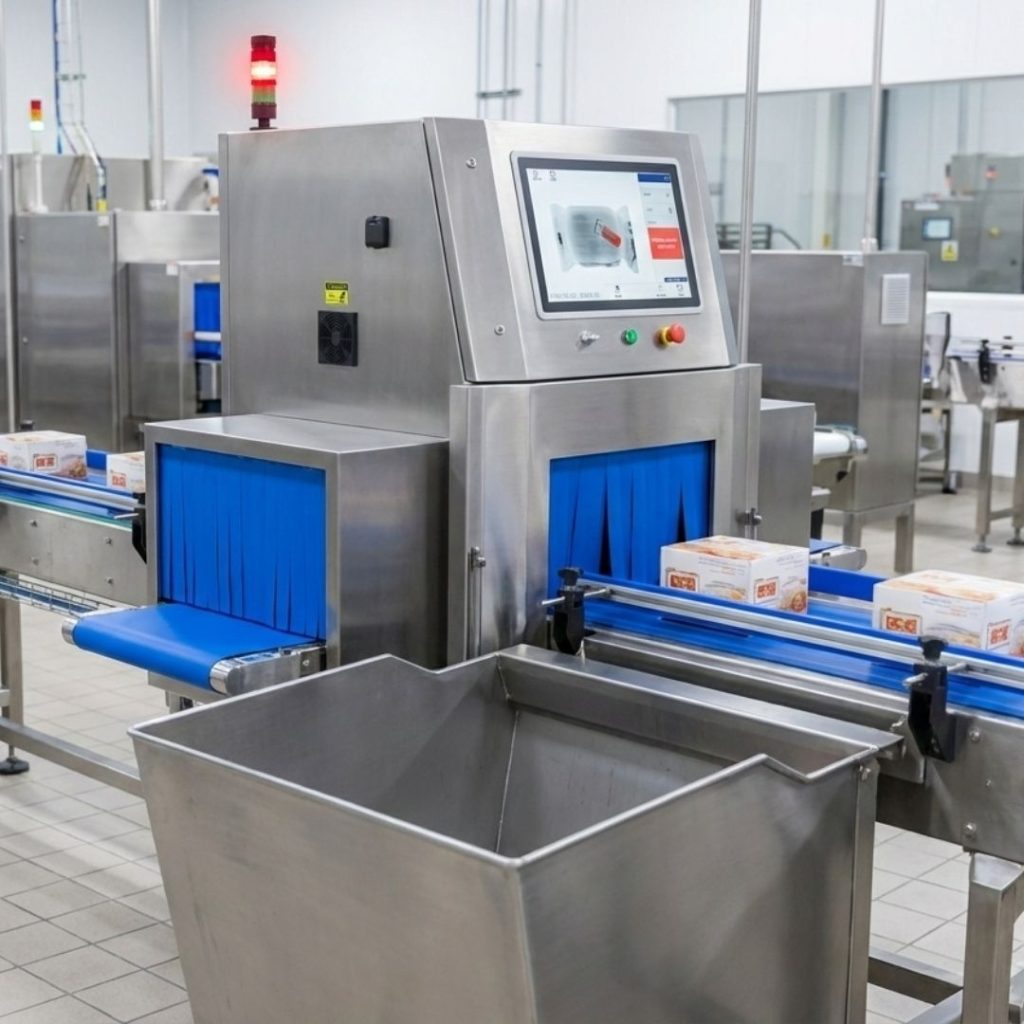
Understanding the Market for Food Grade Metal Detectors
[ WA +62 812 2701 7677 – How to Sell Metal Detector Foods: A Comprehensive Guide for Industrial Suppliers ] The global demand for food safety has never been higher than it is today. For industrial suppliers, the ability to Sell Metal Detector Foods equipment is a gateway to a massive market. Food manufacturers are under constant pressure to deliver products free from physical contaminants. Metal fragments can enter the production line from machinery, tools, or raw materials.
This makes Food Grade Metal Detectors an essential investment for any serious processing facility. When you Sell Metal Detector Foods solutions, you are selling more than just a machine. You are selling brand protection, consumer trust, and regulatory compliance. Suppliers must understand that the “food” aspect of the detector defines its specifications. Whether it is bakery, meat, or dairy, each category has unique detection challenges.
Why Food Manufacturers Invest in Detection Technology
The primary driver for purchasing these systems is risk management. A single product recall due to metal contamination can cost a company millions of dollars. Beyond the financial loss, the damage to a brand’s reputation can be permanent. This is why industrial suppliers focus on HACCP compliance when they Sell Metal Detector Foods technology.
International standards like GFSI and BRC require strict metal detection protocols. Manufacturers need equipment that can withstand harsh washdown environments. They also look for systems that minimize false rejects to maintain high productivity. Understanding these pain points is the first step in becoming a successful supplier.
The Role of HACCP in Metal Detection
HACCP (Hazard Analysis and Critical Control Points) is the backbone of food safety. Metal detectors are often designated as a Critical Control Point (CCP) in a production line. This means the equipment must be reliable and capable of logging data for audits. Suppliers should emphasize how their machines simplify the audit process for manufacturers.
Key Features to Highlight When You Sell Metal Detector Foods
To successfully Sell Metal Detector Foods equipment, you must focus on technical superiority. The most important factor is sensitivity to various types of metals. These include ferrous (iron), non-ferrous (copper, lead), and stainless steel. Stainless steel is often the hardest to detect but the most common in food plants. Highlight the machine’s ability to handle the “Product Effect.” Moist or salty foods, like bread or cheese, can create signals that mimic metal. Advanced multi-frequency technology helps the detector ignore these signals. This ensures that only actual contaminants are rejected from the line.
Durability and Hygiene Standards
Food processing environments are often wet, hot, or extremely cold. The equipment must have a high IP rating, such as IP69K, for deep cleaning. Explain to your clients that hygienic design prevents bacterial growth on the machine itself. Using 304 or 316 grade stainless steel construction is a major selling point. Ease of maintenance is another critical factor for busy production managers.
Identifying the Best Applications for Metal Detection
Not all food production lines are the same, and neither are their detection needs.
When you Sell Metal Detector Foods solutions, you must categorize the application.
Bakery and Snack Foods: These are usually dry and have low product effect.
Frozen Foods: Temperature changes can affect detection sensitivity, requiring specialized settings.
Meat and Poultry: High moisture and salt content require sophisticated signal processing.
Bulk Products: Grains or flour may require gravity fall metal detectors.
Packaged Goods: Conveyor-based systems are the standard for finished products.
By tailoring your pitch to the specific food type, you increase your conversion rate.
Pharmaceutical and Nutraceutical Use
While the focus is on food, the pharmaceutical industry has similar needs. Tablets and powders require high-speed, high-sensitivity metal detection. Suppliers can often expand their reach by offering Food Grade Metal Detectors to these sectors.
Strategies for Industrial Suppliers to Increase Sales
Selling high-ticket industrial equipment requires a consultative approach. Don’t just send a brochure; offer a on-site technical audit. Help the client identify where the highest risk of contamination exists. Demonstrate the Return on Investment (ROI) by calculating potential recall savings. Focus on Total Cost of Ownership (TCO) rather than just the initial price. A cheaper machine that breaks down often will cost the client more in the long run. Position yourself as a partner in their food safety journey.
“Quality is not an act, it is a habit. In food production, quality is the difference between success and a total shutdown.”
Navigating the Indonesian Market for Metal Detectors
Indonesia is one of the fastest-growing food processing hubs in Southeast Asia. Local regulations and BPOM standards are becoming increasingly strict. This creates a massive opportunity for those who Sell Metal Detector Foods technology locally. Indonesian manufacturers are looking for local support and technical expertise. Having a partner that understands the local industrial landscape is vital. Reliable after-sales service is often the deciding factor for Indonesian buyers. They need to know that if a machine goes down, a technician is nearby.
The Importance of Technical Consultation
Every factory layout is different, requiring custom conveyor lengths or reject mechanisms. Providing technical consultation helps build trust with the engineering team. Ensure your sales team is trained on the latest digital signal processing features. The ability to explain Phase Tracking and Auto-Learn functions is essential.
Looking for a Reliable Food Grade Metal Detector Supplier in Indonesia?
PT. Han Scan Abadi provides high-quality Food Grade Metal Detectors for the food industry, suitable for food processing, packaging, bakery, frozen food, pharmaceutical, and other production applications. Looking to sell or purchase a Metal Detector for the Food Industry in Indonesia? Contact PT. Han Scan Abadi today for product information, technical consultation, and the best quotation for your business needs.
Get Your Best Offer Today — Contact PT. Han Scan Abadi for a Food Grade Metal Detector Solution!
Common Challenges in Metal Detection Sales
One of the biggest hurdles is the “Product Effect” mentioned earlier. Suppliers must educate clients on why their current machines might be failing. Another challenge is the integration of the detector into existing lines. Offer solutions that are “Plug and Play” or provide full installation support. Price competition from low-quality imports is also a reality. Combat this by emphasizing reliability and long-term accuracy. Explain that a “cheap” detector that misses a metal shard is a liability, not an asset.
Future Trends in Food Metal Detection
The industry is moving toward Industry 4.0 and smart manufacturing. Modern metal detectors now feature cloud connectivity for remote monitoring. Data logging is becoming automated, replacing manual paper records. This allows managers to track reject rates and machine health in real-time. Suppliers who Sell Metal Detector Foods systems with these features will lead the market. AI-driven algorithms are also improving detection sensitivity in “noisy” products. Staying ahead of these trends ensures you remain a preferred supplier.
The Shift Toward Multi-Spectrum Technology
Traditional single-frequency detectors are being replaced by multi-spectrum units. These machines scan multiple frequencies simultaneously to find smaller contaminants. This is particularly useful for high-compliance industries like baby food or medical nutrition.
Conclusion
To Sell Metal Detector Foods equipment successfully, you must be an expert in food safety. Focus on the client’s need for compliance, efficiency, and brand security. By providing high-quality hardware and exceptional service, you become an invaluable asset. The market in Indonesia and beyond is ready for suppliers who prioritize quality and reliability. Start by understanding the specific needs of the food category you are targeting. Then, provide a solution that ensures zero contamination reaches the consumer. This is the ultimate goal of every food manufacturer and the key to your sales success.
Baca Juga: